
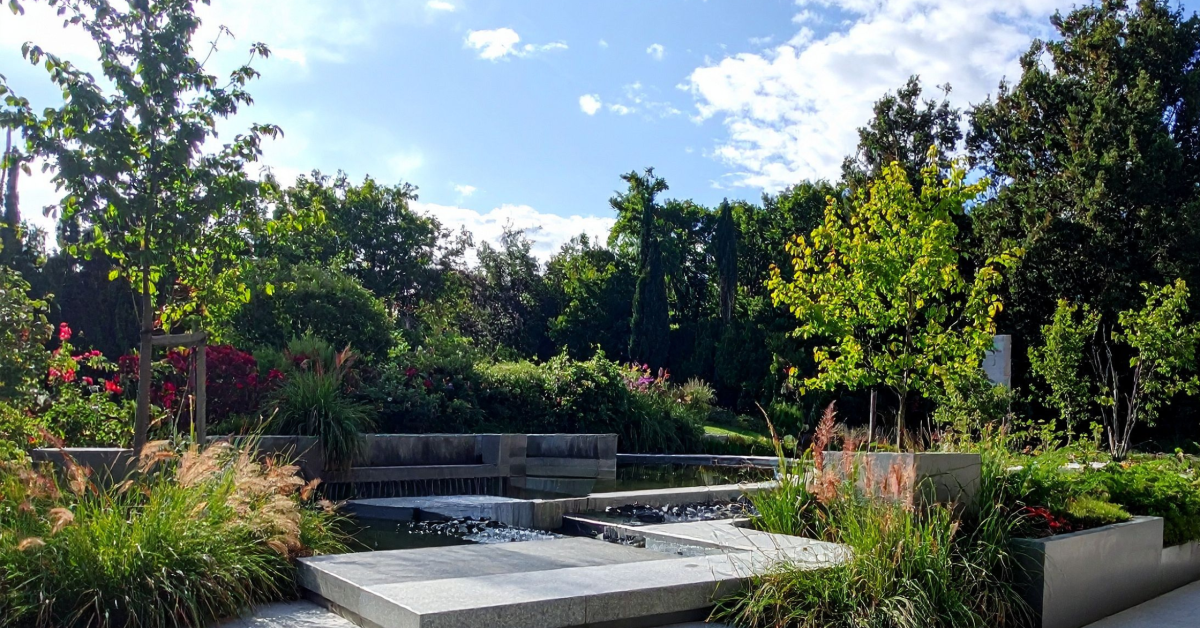
Smart Garden Design: How to Meet Part G While Creating Beautiful Outdoor Spaces
May has arrived, bringing longer days, warmer weather, and the perfect opportunity to get out into the garden. For developers and homeowners alike, creating an inviting outdoor space is a top priority this spring. However, a lush, green garden shouldn't come at the cost of high utility bills or building control failures. With shifting climate patterns globally, designing "water-smart" spaces is a crucial step in modern property development.
Does Outdoor Water Use Affect Part G?
A common misconception is that Part G of the Building Regulations only measures the water coming out of your indoor taps, showers, and toilets. While the core calculation focuses on internal fixtures to reach the 125L or 110L per person target, external water management plays a massive role in a property’s overall sustainability footprint.
If your garden design relies heavily on automated, high-pressure mains sprinkler systems, you are setting the future homeowner up for massive water spikes. For detailed design guidance on ecological planning, the Royal Horticultural Society (RHS) Sustainable Gardening Guide offers excellent resources on creating drought-resistant landscapes.
Top Strategies for a Water-Efficient Garden
You don't have to sacrifice a beautiful landscape to be water-conscious. Here is how to design smartly this May:
- Drought-Tolerant Planting: Choose native UK plants, shrubs, and perennial grasses that thrive on natural rainfall once established (such as lavender, rosemary, and verbena).
- Mulching: Applying a thick layer of organic mulch or bark chips to flower beds retains soil moisture, cutting your watering needs by up to 50%.
- Smart Irrigation: If an irrigation system is necessary, opt for drip-line systems targeted at the roots rather than wasteful overhead sprays that lose water to evaporation.
The Power of Rainwater Capture
The absolute best way to future-proof an outdoor space is to take the pressure off the mains entirely by harvesting what falls from the sky. Integrating water butts or underground storage tanks ensures a steady, free supply of water all summer long.
Boost Your Home's Water Efficiency > Outdoor water saving goes hand-in-hand with internal efficiency. To see the full picture of how water conservation benefits your wallet, read our guide on how flow reducers can cut your usage by 50%. If you want to take your sustainability to the next level, discover how utilising rainwater for toilet flushing can drastically lower your daily consumption.
A beautiful garden should work with nature, not against it. By planning your outdoor spaces with water efficiency in mind, you create a sustainable, low-maintenance haven that adds genuine value to the property.
Planning a summer build or renovation? Ensure your entire project stands up to building control. Run your quick 60-second Water Efficiency Calculation with us today.
Posted In:Environment, Water Efficiency,
Recent Posts
- Catch the Autumn Rain: Why September Is the Right Month to Set Up Rainwater Harvesting
- Designing for Drought: Why Modern Construction Demands Smarter Water Planning
- July Heatwaves & Hosepipe Bans: How to Protect Your Household Water Budget
- The Self-Builder’s Guide to Passing Part G on the First Attempt
- Beating the Summer Squeeze: How to Prepare Your Property for Seasonal Water Restrictions
- Landlord Checklist: Why Water Efficiency is Your Secret Weapon for Better Yields
- Smart Garden Design: How to Meet Part G While Creating Beautiful Outdoor Spaces
- April Shower Savings: High-Performance Without the Waste
- The Future Homes Standard is Here: What It Means for Your Water Strategy
- Selling Your Home This Spring? Why a Water Efficiency Audit Adds Value